Tibet Tours & Travel Guide — Lhasa
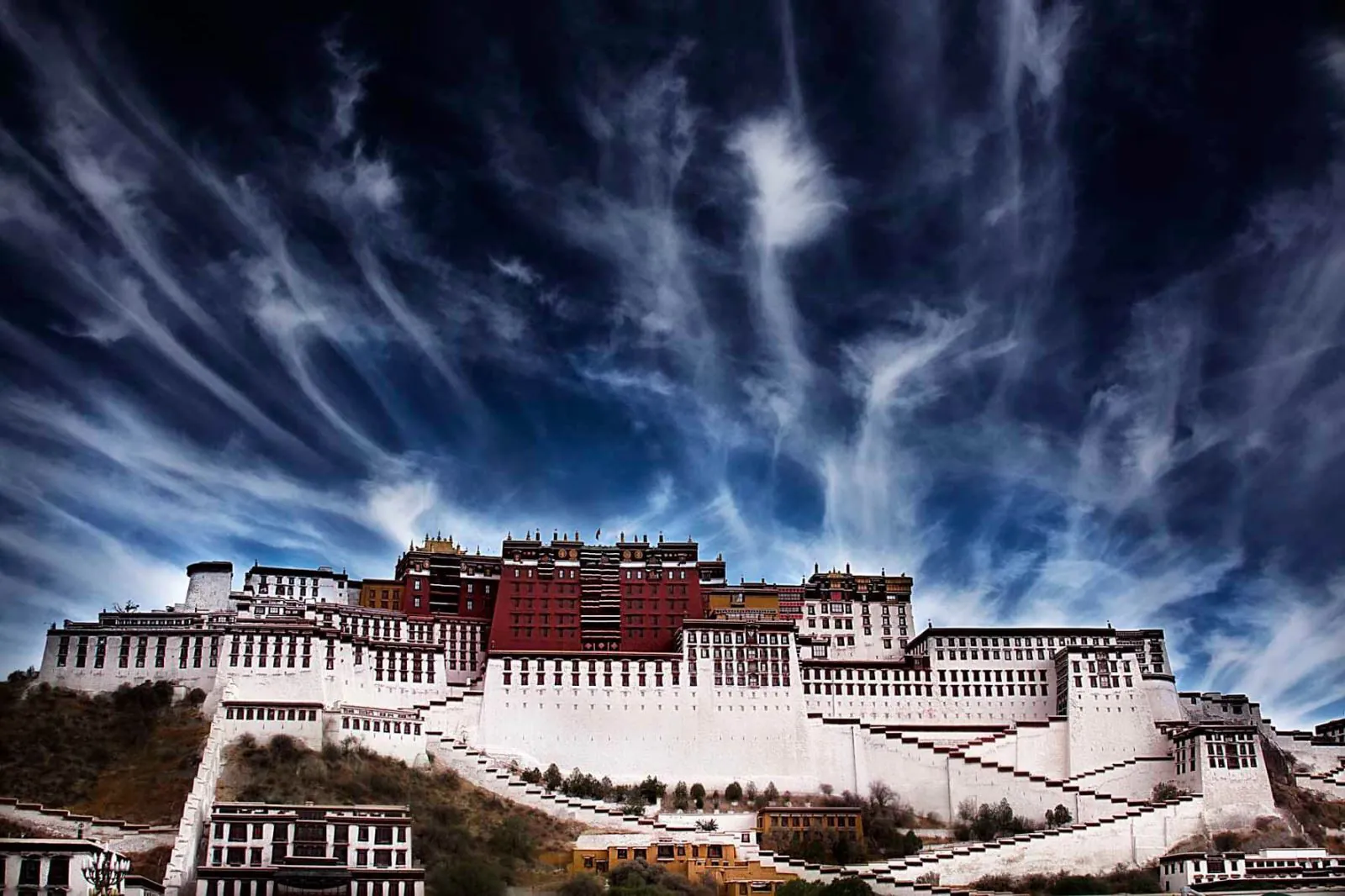
The Potala Palace over Lhasa, monks debating in monastery courtyards and a turquoise lake at 4,400 m — with permits, a licensed guide and driver arranged.
Why visit Tibet
Some places are on the list because they're beautiful; Lhasa is on it because there is nowhere else like it. A palace-fortress rising 13 storeys over a pilgrim city at 3,650 m, temples that have run continuously for 1,300 years, and plateau light that makes everything look half an hour before sunset. It asks a little more of you — altitude, paperwork, patience — and gives back more than almost anywhere in China.
How Tibet travel works — honestly
Foreign visitors cannot travel independently in Tibet, and there are no exceptions we can arrange around. You need a Tibet Travel Permit, issued against a confirmed itinerary, and you travel as an organised tour: a licensed local guide with you, a driver for travel outside Lhasa, and permits checked before you board your flight or train in. Our team on the ground applies for the permit using your passport and visa copies — which is why Tibet trips are planned weeks, not days, ahead. Self-driving is not permitted. None of this makes the trip feel restricted day to day — your guide is local, the days are paced around you — but anyone who tells you otherwise isn't being straight with you.
Top sights
Potala Palace
The Dalai Lamas' winter palace: a thousand rooms climbing a hill in the middle of Lhasa. Numbers inside are capped and entry is timed — your permit and tickets are booked well ahead.
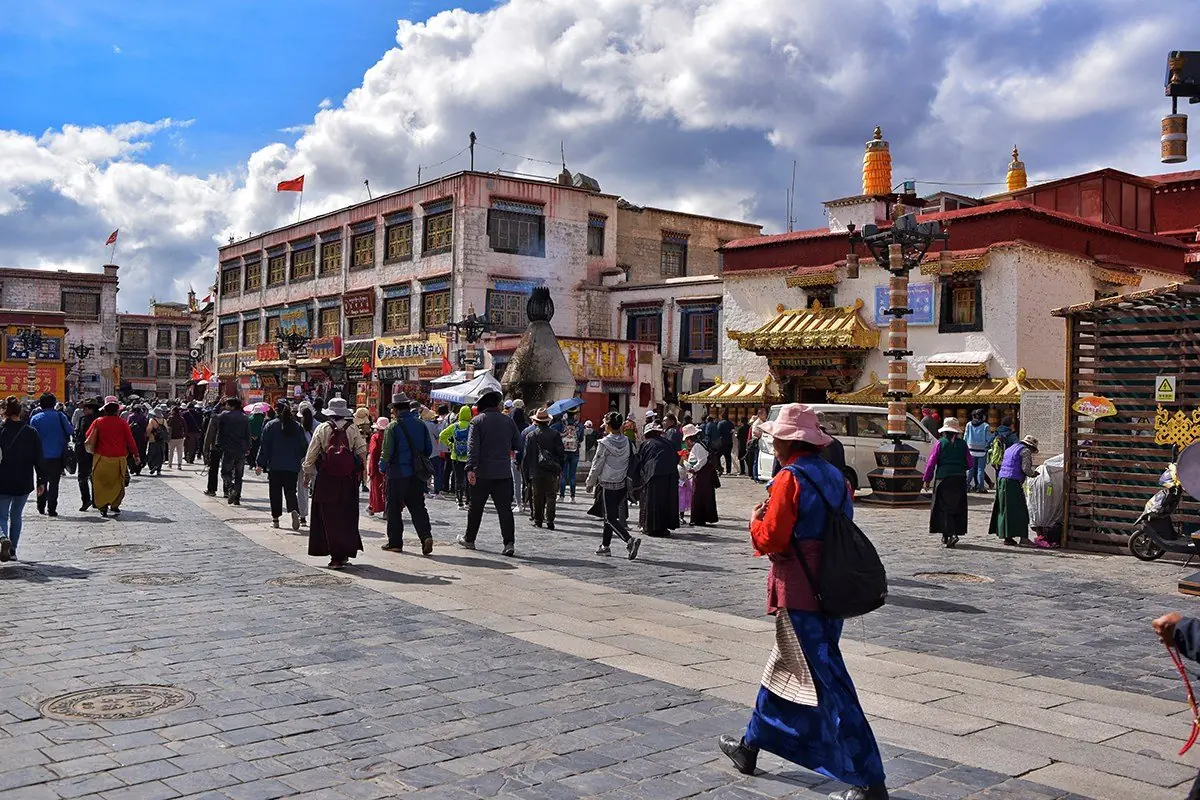
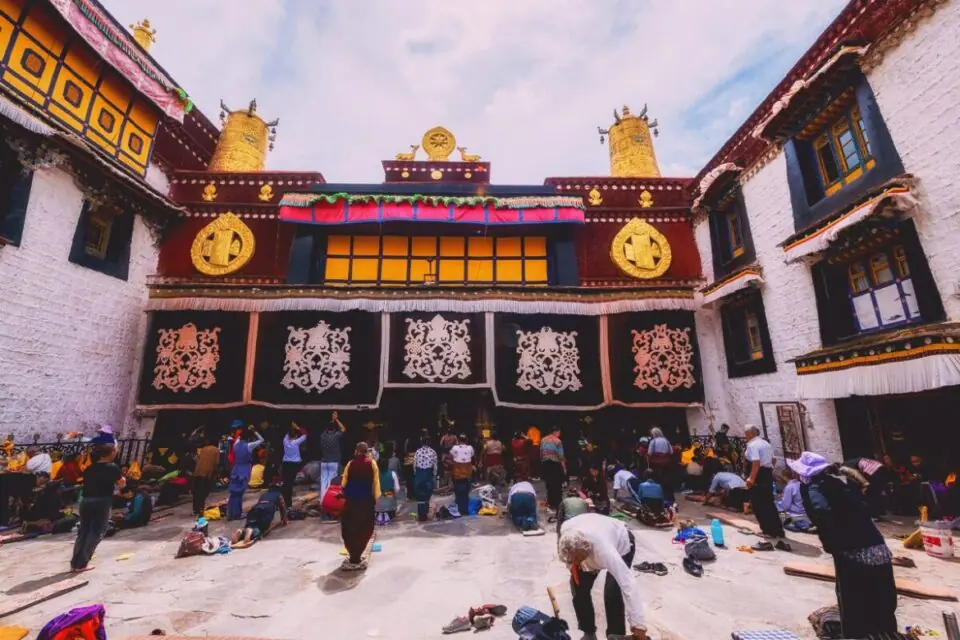
Jokhang Temple & Barkhor
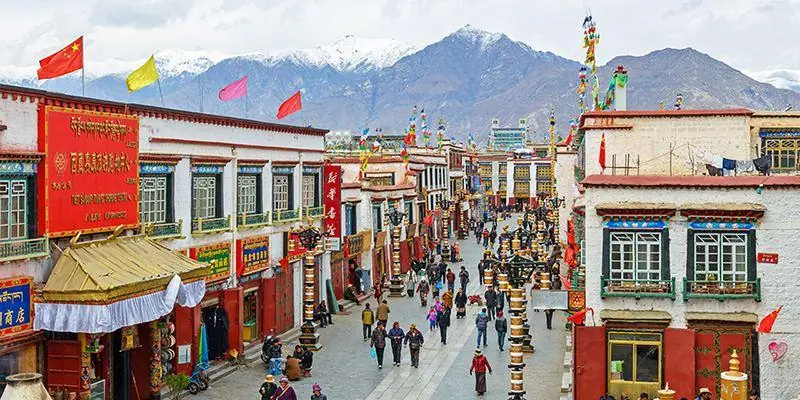
Tibet's holiest temple, ringed by the Barkhor pilgrim circuit — join the clockwise flow of pilgrims, prayer wheels and market stalls at dusk.
Sera & Drepung monasteries
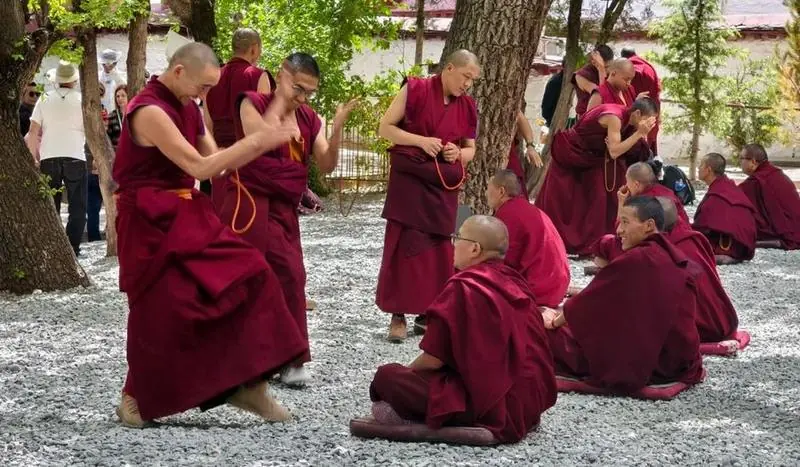
Sera's afternoon monk debates — clapping, laughing, entirely serious philosophy — are the liveliest hour in Lhasa. Drepung was once the largest monastery in the world.
Yamdrok Lake
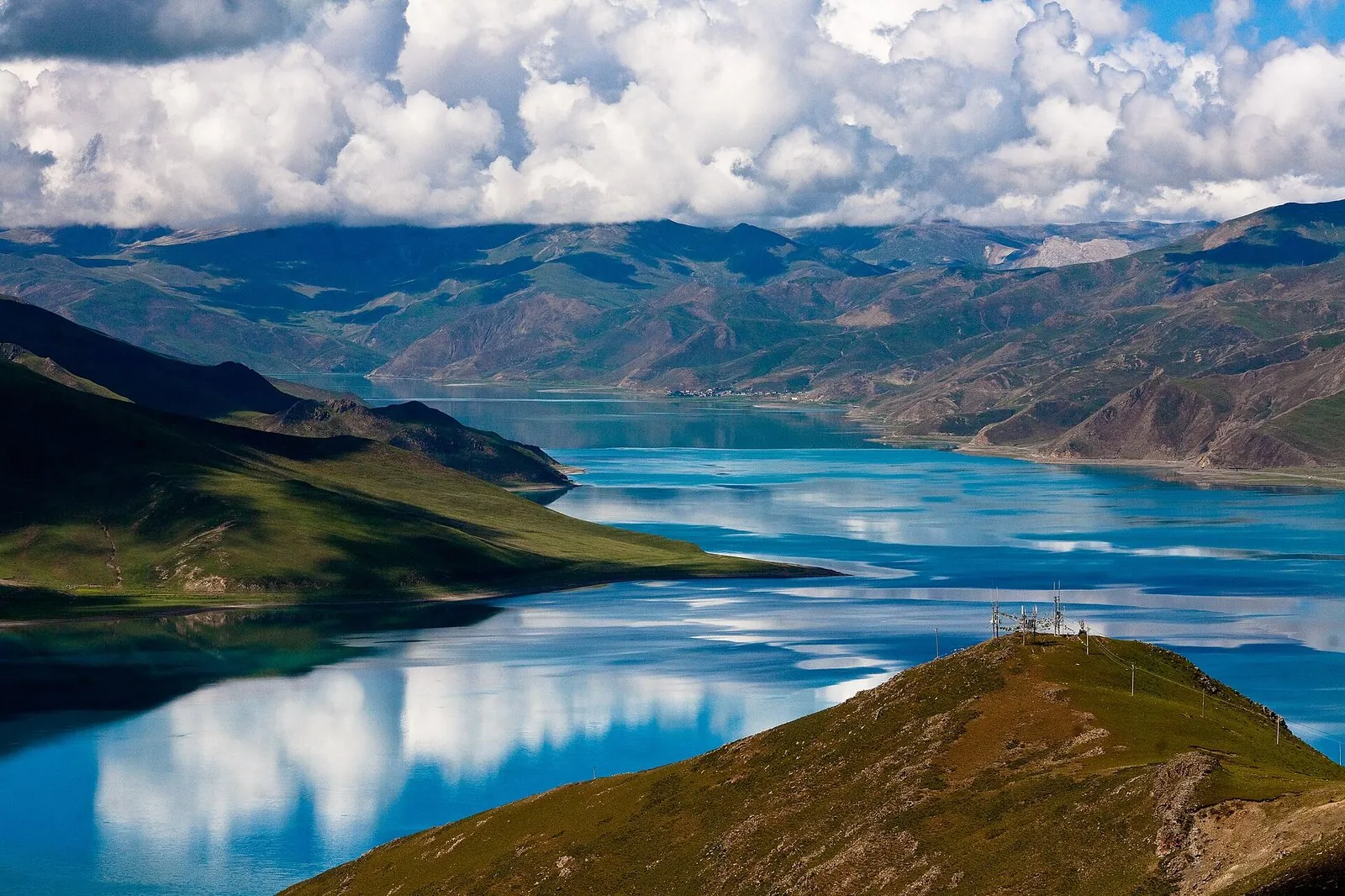
A day trip over a 4,800 m pass to a sacred lake of impossible turquoise, ringed by brown hills and snow peaks. The altitude is managed by going later in the trip, once you've acclimatised.
Sample itinerary — 5 days in Lhasa & Tibet
This is a sample itinerary, so you can see what each day actually looks like. The order is deliberate — two gentle days in Lhasa before anything higher — and your licensed guide adjusts the pace to how you're feeling at altitude. Your confirmed day-by-day plan, with named hotels, comes with your quote once the permit application is in.
- Day 1
Arrive in Lhasa — and rest
Your guide meets you (permit already checked before you boarded) and the day is built around one instruction: take it easy at 3,650 m. Hotel check-in, fluids, a short gentle stroll if you feel like it, and an early night. The city will still be there tomorrow; the altitude deserves its day.
- Day 2
Potala Palace & the Jokhang
The Potala in the morning, on your timed entry: a thousand rooms of palace, chapels and stupas climbing the hill in the middle of Lhasa. In the afternoon, the Jokhang — Tibet's holiest temple — and a turn of the Barkhor pilgrim circuit at dusk, flowing clockwise with the pilgrims, prayer wheels and market stalls.
- Day 3
The great monasteries — Drepung & Sera
Drepung in the morning, once the largest monastery in the world, white-walled against the hillside. After lunch, Sera — and its famous afternoon monk debates: clapping, laughter and entirely serious philosophy in the courtyard. The liveliest hour in Lhasa.
- Day 4
Yamdrok Lake — the turquoise day
Out of the city with your driver, over the 4,800 m Kamba La pass — placed late in the trip, once you've acclimatised — to Yamdrok, a sacred lake of impossible turquoise ringed by brown hills and snow peaks. A short walk on the shore, then back down to Lhasa by evening.
- Day 5
A last Barkhor circuit & departure
A slow morning — butter tea, one last clockwise turn of the Barkhor, souvenirs that are actually from here — then your transfer to the airport or station, permit paperwork handled by your guide.
How many days?
Four to five days in and around Lhasa: two gentle acclimatisation days in the city, the monasteries, then Yamdrok Lake. With seven to ten days, the road west to Gyantse and Shigatse (or Everest Base Camp, with its extra permits) opens up — that's the shape of our Tibet road trip. Tell us your timeframe via the inquiry form and we'll say honestly what fits.
Getting there & around
Flights reach Lhasa from Chengdu (the widest choice), Chongqing, Xi'an and Beijing; the Qinghai–Tibet railway from Xining is the scenic option and a gentler way to climb. Your permit is checked before boarding either. Inside Tibet, all travel is with your guide and driver — that's part of the permit system, not an upsell.
Best time to visit
April–October. May–June and September–October give the clearest mountain views; July–August is warmest with some rain; winter is cold but sunny, dry and almost crowd-free — Lhasa in January is a local secret. Note Tibet usually closes to foreign visitors for a few weeks around Tibetan New Year (typically February–March) — we confirm your dates before anything is booked.
Tibet FAQ
How far ahead do I need to plan?
Give it at least a month if you can: the permit application needs your passport and China visa in hand, and processing plus delivery takes time. Tell us your dates early — we'll tell you straight away if a date is too tight or falls in a closed period.
How bad is the altitude?
Lhasa is 3,650 m. Most visitors feel winded on stairs for a day or two; we plan nothing strenuous for the first 48 hours, keep hotels with oxygen available on request, and build the lake day late in the trip. If you have a heart or lung condition, talk to your doctor first — and tell us.
Can I travel Tibet on my own, or drive myself?
No. Foreign visitors must be on an organised tour with a permit, a licensed guide and (outside Lhasa) a driver. That's a regulation, not a preference — any offer of independent travel in Tibet should be treated with suspicion.