Travel by car, at road speed: the Hexi Corridor to Dunhuang, Guangxi's karst countryside, Sichuan's mountain roads, Tibet's plateau (permit-guided) and beyond — with a private driver as standard, the car, fuel stops and overnight towns all arranged by our team on the ground.
5–14 days, flexiblePrivate — your car, your paceDriver arrangedGuided in English
Why go by road at all?
Our tours mostly move by high-speed train, and for the big cities that's the right call. But trains go station to station. A road trip is for the China in between: the desert corridor the Silk Road caravans walked, farming valleys under karst peaks, mountain towns that never got a station. You stop when something catches your eye, eat where the truck drivers eat, and arrive in the evening instead of the timetable's afternoon. It's slower, deliberately — and for the west especially, the drive is the trip.
Road routes people ask about
5–7 days
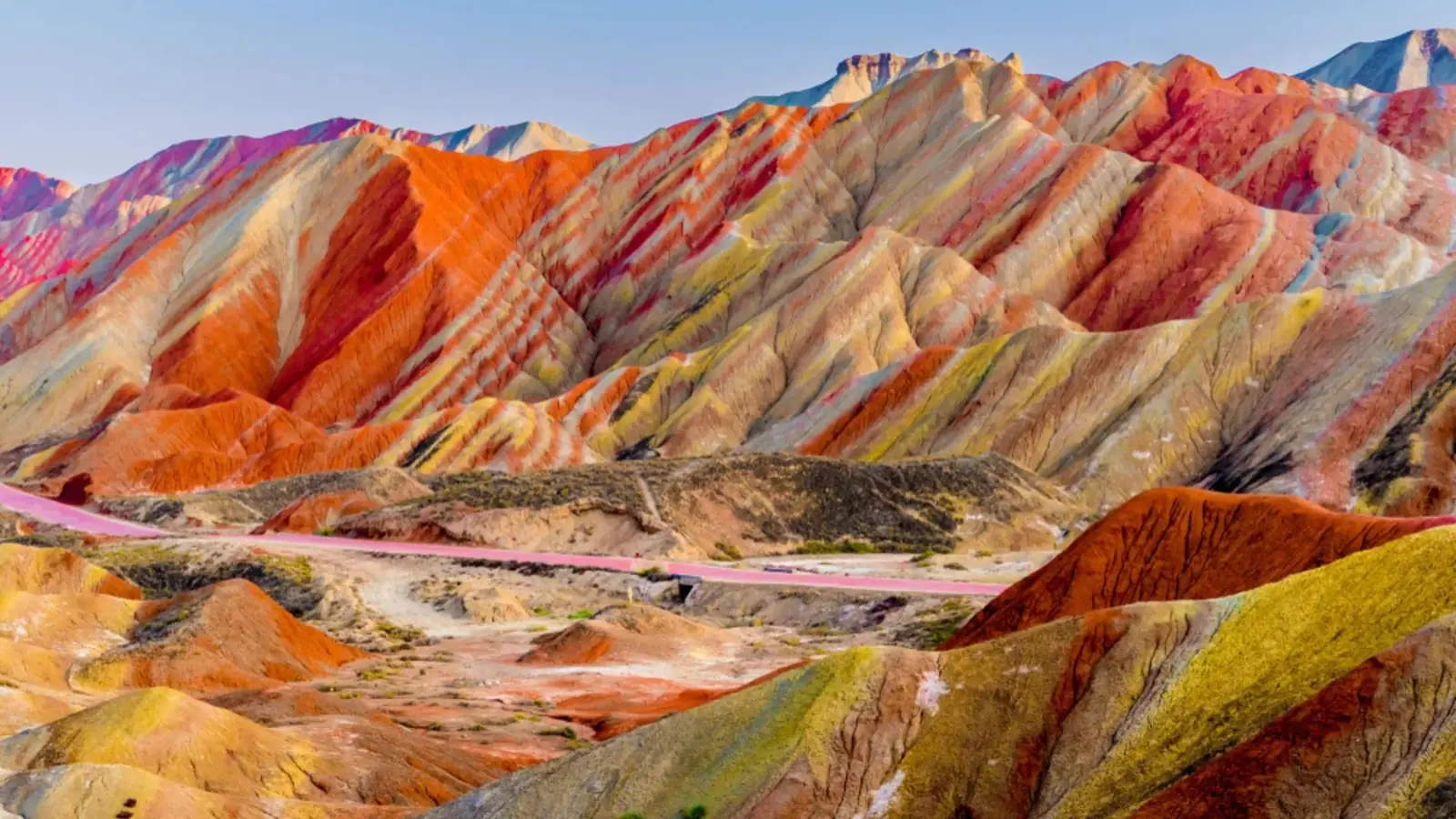
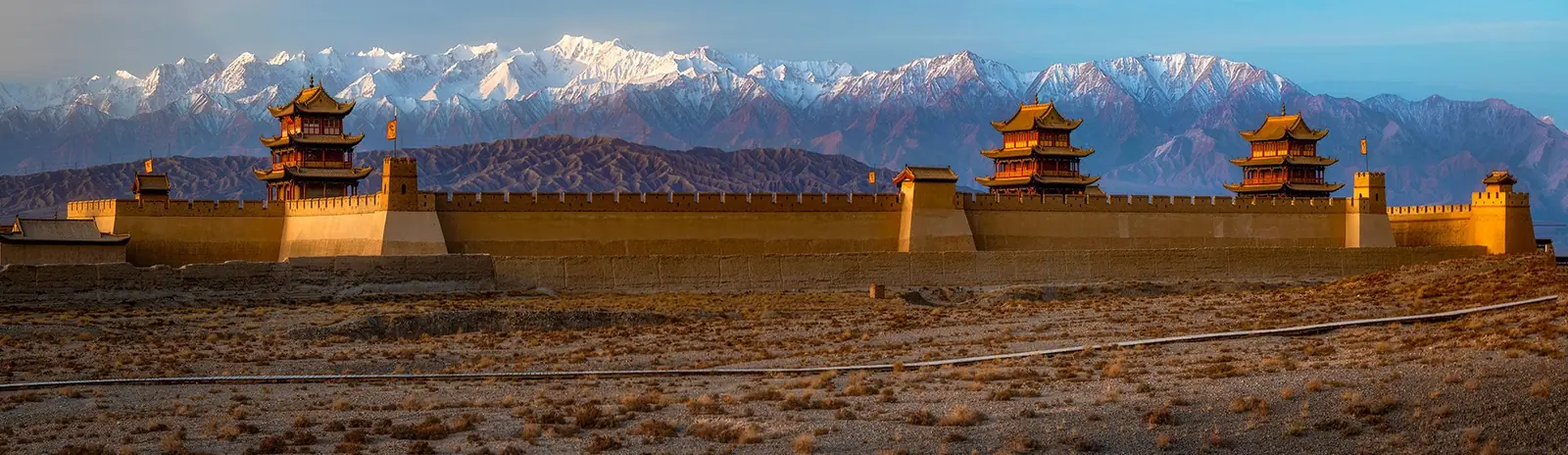
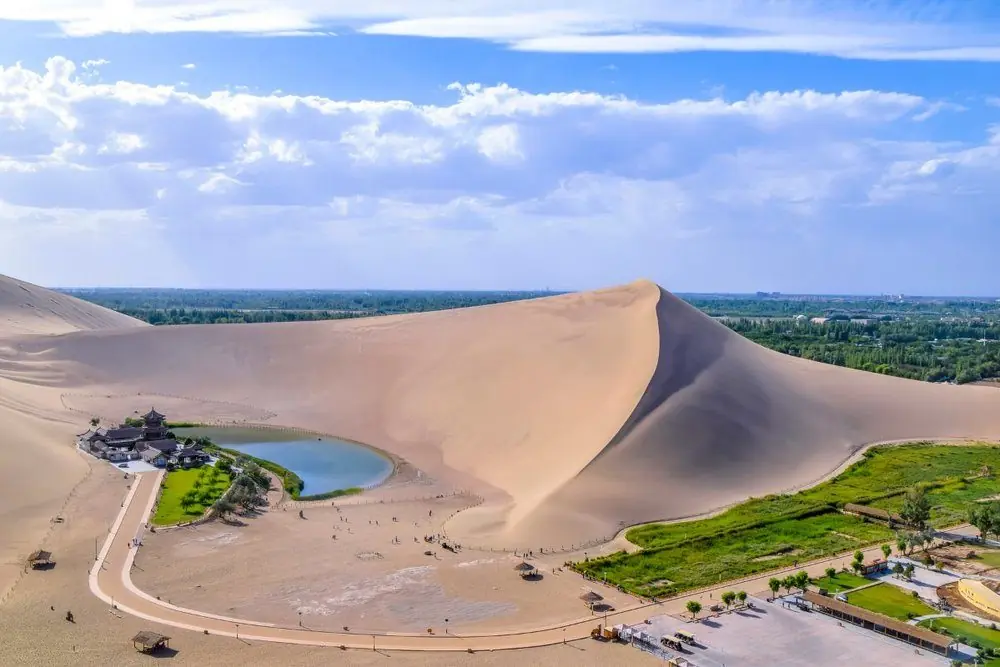
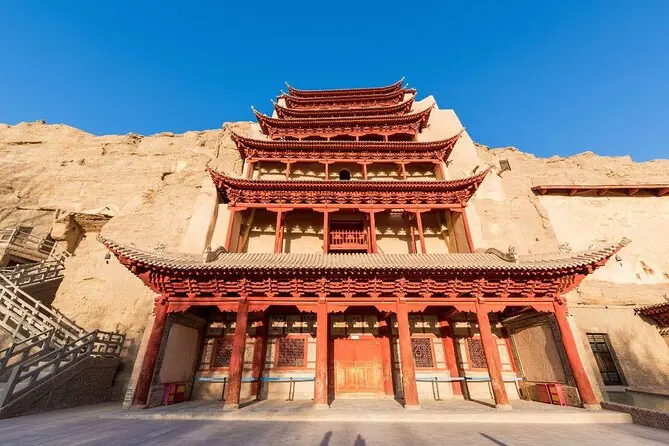
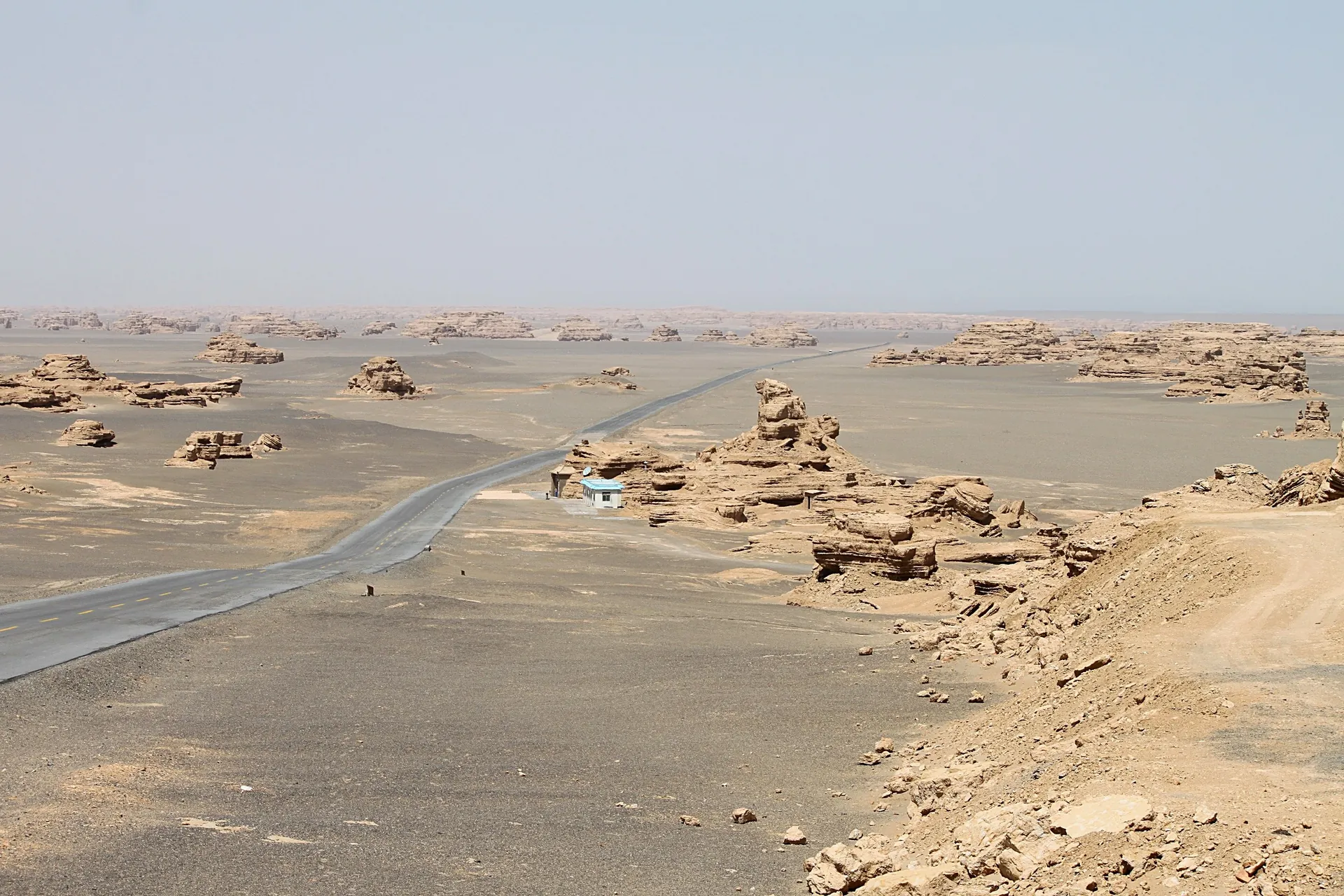
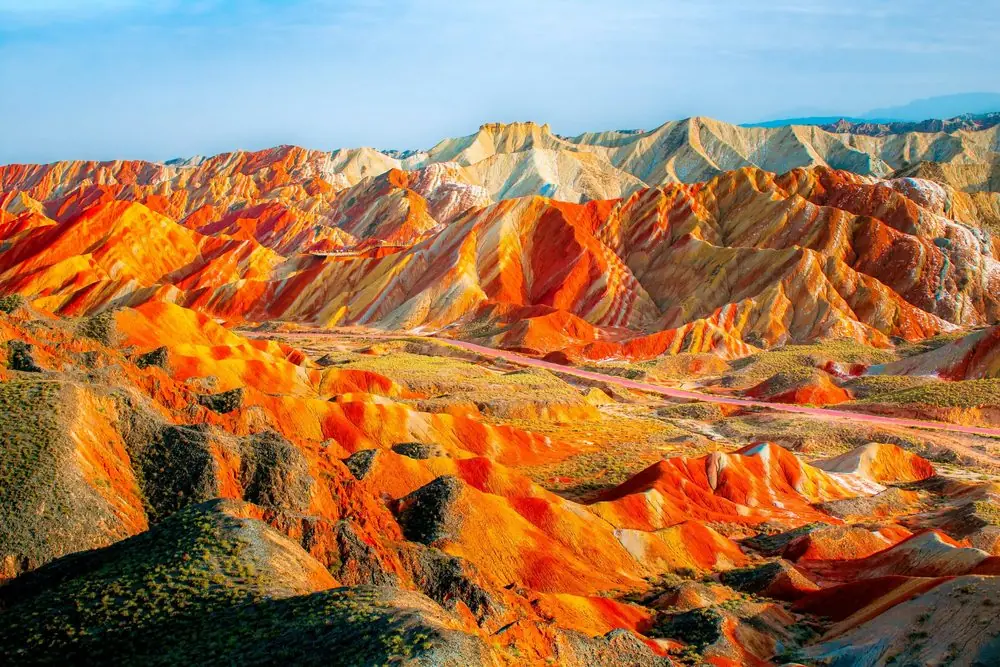
Hexi Corridor to Dunhuang — Lanzhou → Zhangye (Danxia rainbow hills) → Jiayuguan Fort → Dunhuang (Mogao Caves, Mingsha dunes, Crescent Lake). The classic: China's great overland journey, town by town along the Silk Road.
4–6 days
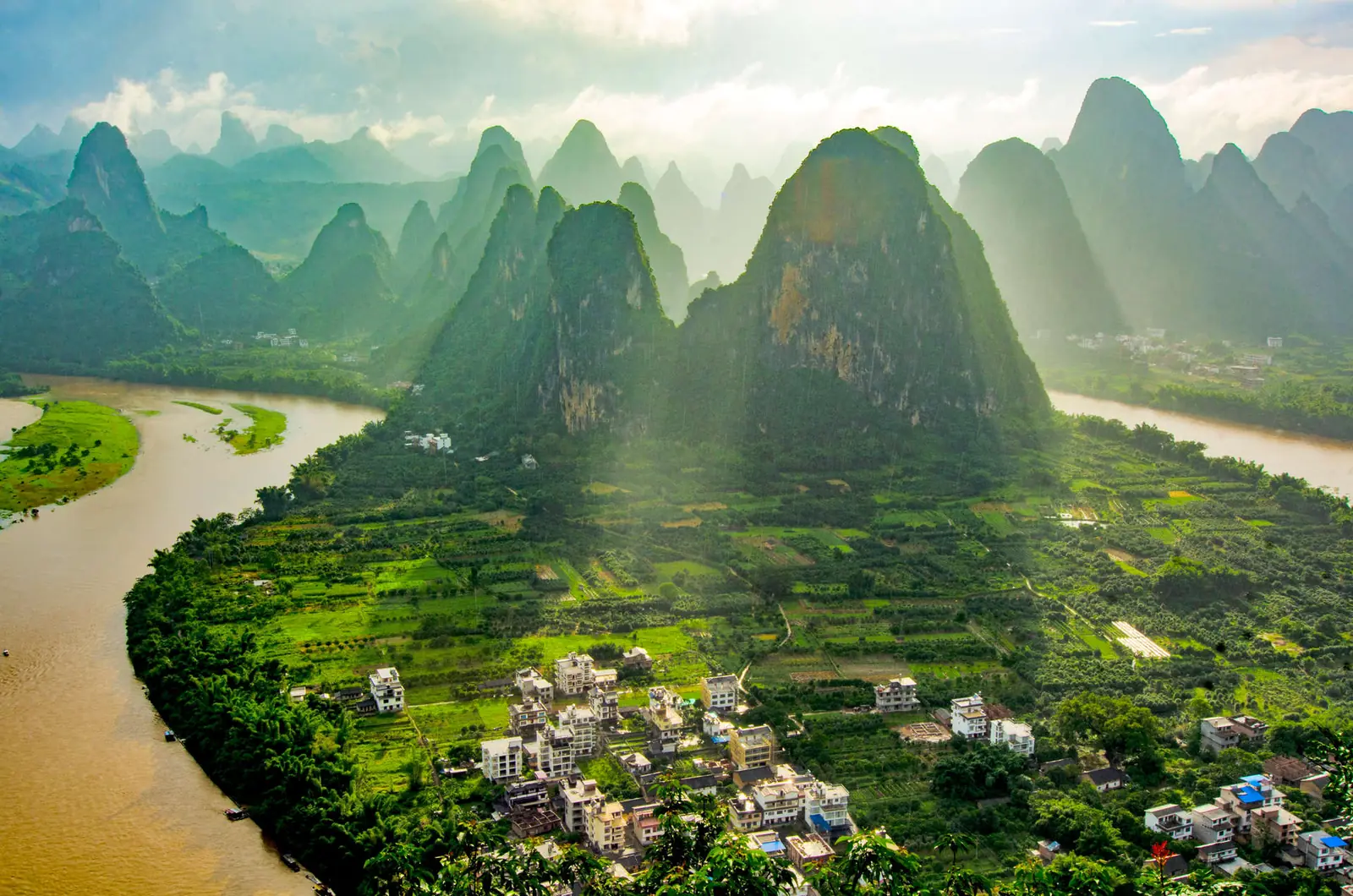
Guilin & Yangshuo countryside — Guilin → Yangshuo → Longji rice terraces. Country roads between limestone peaks, village stops the river cruises pass by, a night up in the terraces.
6–9 days
Western Sichuan mountain roads — out of Chengdu into the hills: panda base first, then mountain towns, monasteries and high valleys, at a pace the altitude deserves.
7–10 days
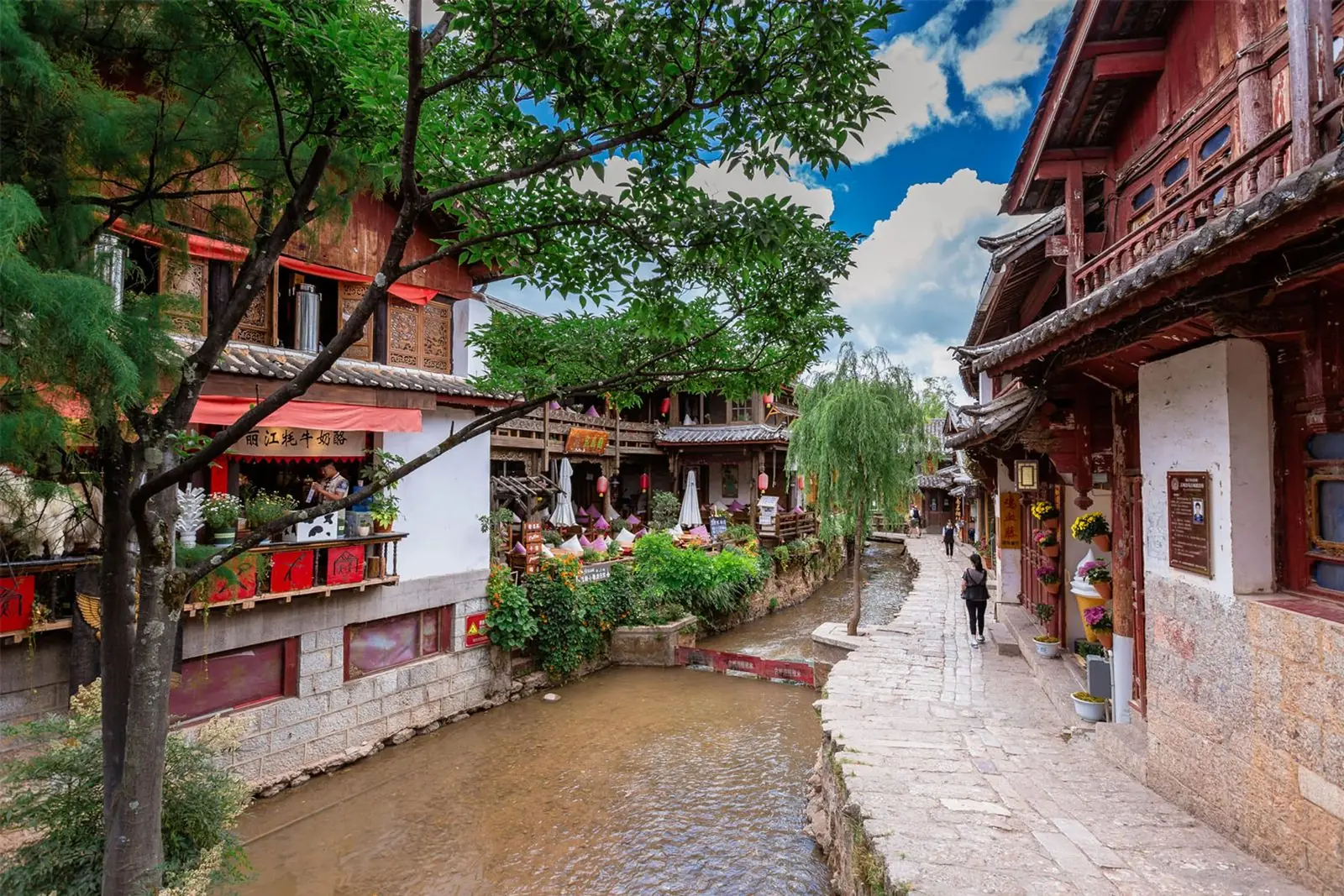
Yunnan's old towns — Kunming → Dali → Lijiang → Shangri-La. Lakeside old towns and mountain roads in the southwest, strung together by car instead of backtracking to airports.
7–10 days
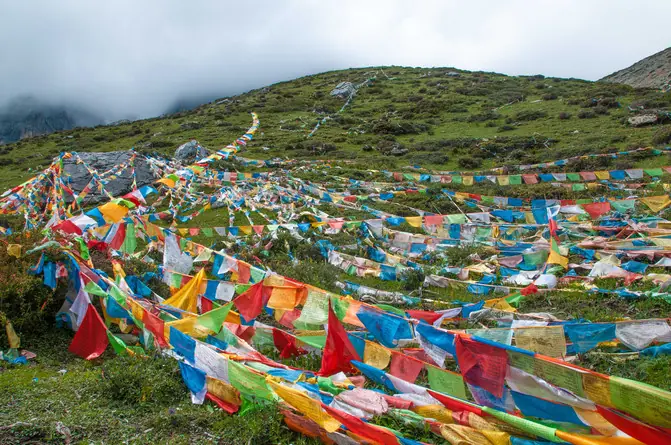
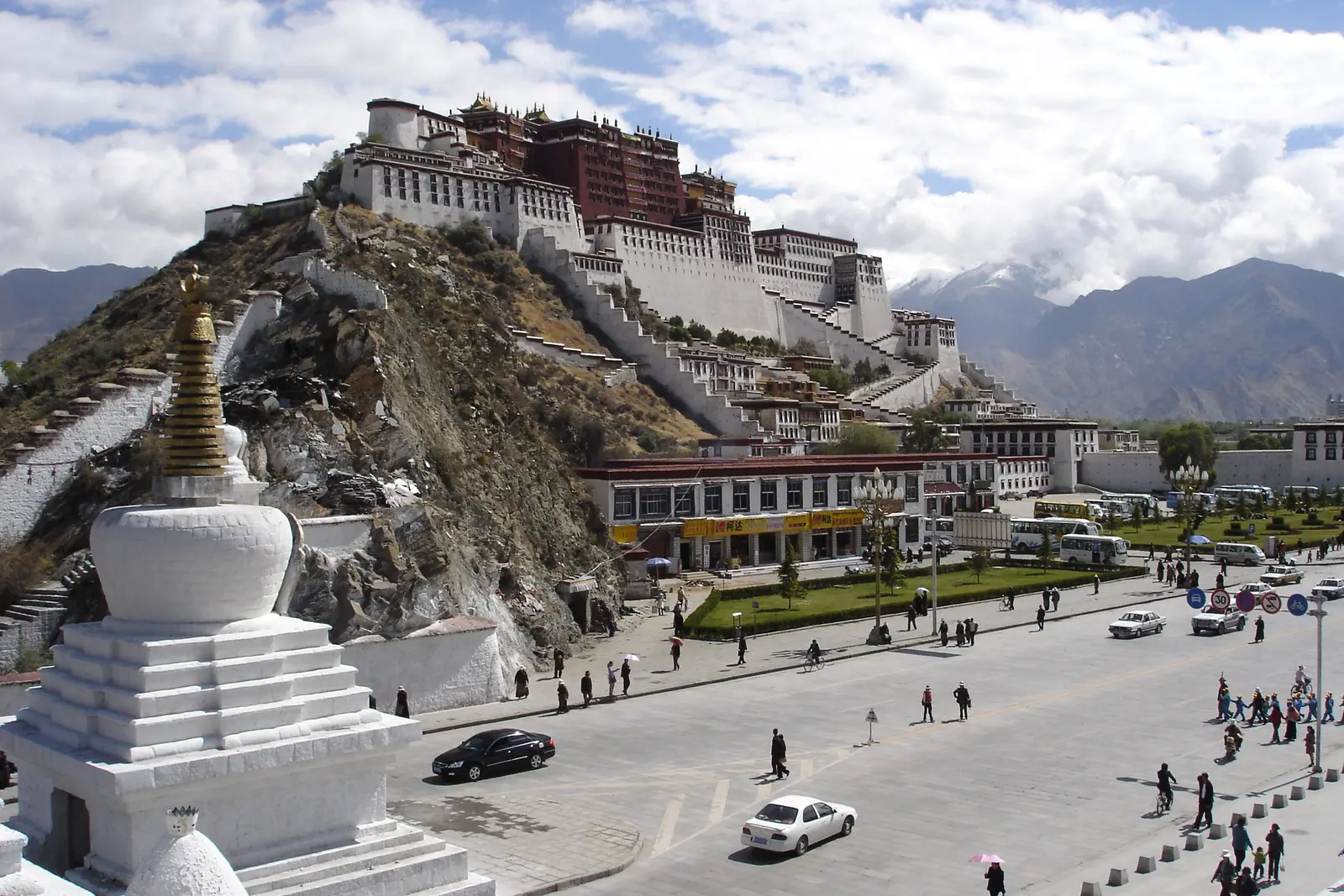
Tibet — Lhasa & the plateau — Lhasa → Yamdrok Lake → Gyantse → Shigatse. Permit-guided only: foreign visitors can't travel Tibet independently or self-drive there, so this runs as an organised trip — permits arranged in advance, a licensed guide and a local driver throughout, and gentle pacing for the altitude (Lhasa is 3,650 m).
Your call
Somewhere else entirely — north China beyond Beijing, the Yangtze gorges out of Chongqing, a route you've sketched yourself. If it can be driven, the team can build it — tell us where your curiosity points.
The routes, in pictures
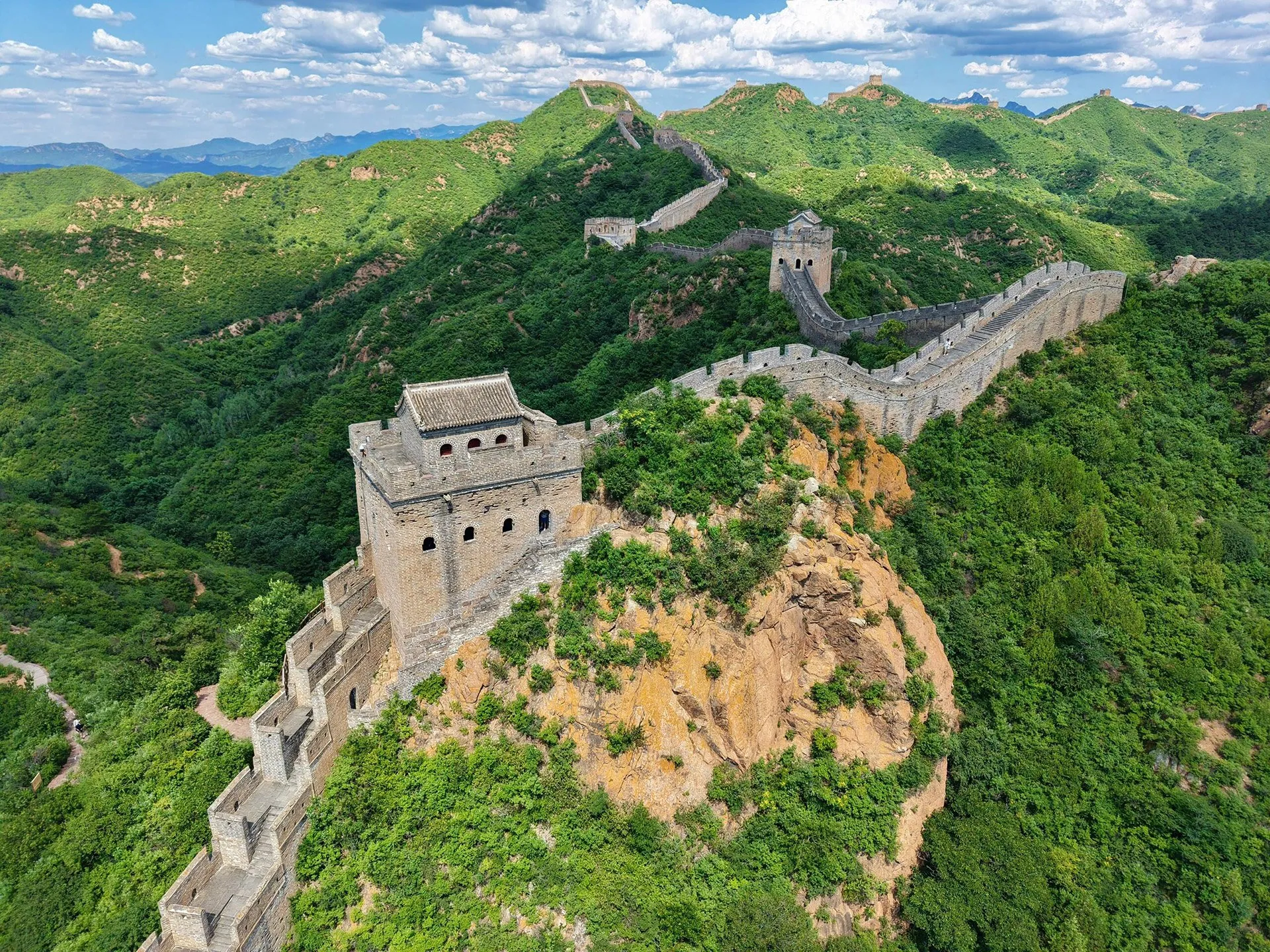
The actual country each route drives through — every route below is a different piece of China.
China's great overland journey, town by town along the Silk Road: rainbow Danxia hills, the Ming fort at Jiayuguan, then the Mogao Caves and the singing dunes.
Price on request
Quoted individually for your dates and hotel level. Message us on WhatsApp for a free quote.
Viewpoints, roadside markets, a noodle stall in a town with no English name on the map — the plan leaves room for the unplanned, because that's what you came by car for.
Sensible driving days
Legs are planned around real distances and road conditions, with overnight towns chosen for their evenings — a fort town, a lakeside old town — not just their petrol stations.
One team handles the logistics
Car, driver, fuel and toll planning, hotels in each overnight town, sight tickets booked ahead — quoted as one itemised price before you commit.
Mix road and rail
Most people drive the scenic stretch and train the long haul — Dunhuang by road, then a train or flight back east. We'll suggest the split that wastes the least of your trip sitting still.
Sample route, day by day: the Hexi Corridor
One example, so you can feel the pacing. Every road trip is built per group — this one is the most requested shape. Each of the other five routes has its own day-by-day page: open a route above to see it in full.
Day 1
Arrive in Lanzhou
Meet your driver and guide. Evening along the Yellow River — the corridor's starting town, and a first bowl of Lanzhou beef noodles where they were invented.
Stay: Lanzhou
Day 2
Drive to Zhangye — the Danxia hills
The long leg west (roughly 500 km of expressway). Arrive in time for late light on the rainbow-striped Danxia hills, when the colours do their best work.
Drive: ~500 kmStay: Zhangye
Day 3
Zhangye to Jiayuguan
A shorter drive (about 220 km) to the fort that guarded the Ming empire's western edge. Climb the gate towers and walk the wall out into the desert.
Drive: ~220 kmStay: Jiayuguan
Day 4
Jiayuguan to Dunhuang
Across the Gobi's edge (about 370 km) — the landscape empties out completely before the oasis appears. Evening stroll in Dunhuang town and the Shazhou night market.
Drive: ~370 kmStay: Dunhuang
Day 5
Mogao Caves & the singing dunes
A thousand years of Buddhist art in the cliff caves in the morning; Mingsha Shan's dunes and Crescent Lake at golden hour, when the sand turns the colour of the photos.
Drive: Local, by carStay: Dunhuang
Day 6
Depart Dunhuang — or drive on
Fly or train back east, or keep going: some travellers add the Western Thousand Buddha Caves and Yumen Pass, or loop south. Tell us how much road is enough.
Transfer: Station / airport
Driving in China, honestly
Can you drive yourself? Not on a foreign licence alone — China doesn't recognise overseas licences or international driving permits for driving here. A temporary driving permit exists for visitors in some situations; whether it applies depends on your licence and where you'll drive, and rental companies have their own rules on top. Our team on the ground will check your specific case and tell you straight. Most visitors decide a local driver is the better trip anyway: no navigation stress, no toll-booth Chinese, and someone who knows which mountain road closes in rain.
Where a car can't just go: Tibet and some border and restricted areas require permits and an organised tour with guide and driver — there's no independent self-drive option for foreign visitors, whatever a blog from 2015 says. If your route touches a permit area, the operating agency arranges the paperwork as part of the trip.
What's included
✓ Included
Private car and experienced local driver for the road legs
Fuel, expressway tolls and parking as quoted in your plan
English-speaking guide (throughout, or in each region — as quoted)
Hotels in each overnight town at your chosen tier
Entrance fees for listed sights; Mogao Caves timed tickets booked ahead
WhatsApp support before and during the trip
✕ Not included
International flights to/from China, and any domestic flights or trains you add
China visa, if your passport needs one; Tibet or other regional permits are quoted separately where they apply
Travel insurance (please arrange your own — mountain and desert roads make it non-optional in our view)
Meals not marked in your plan, personal expenses, gratuities
Price
Price on request
Quoted individually for your dates and hotel level. Message us on WhatsApp for a free quote.
Road trips are quoted per trip, each route individually: the price turns on total distance, days, car size and hotel tier. Send your rough route — or just the region and how many days — on WhatsApp and you'll get one itemised quote within 24 hours. Nothing is booked until you've seen it and said yes.
Deposit & cancellation policy
Deposit & payment: a 10% deposit confirms your booking once you approve the itinerary. The balance is due 30 days before departure; bookings made within 30 days of departure require full payment to confirm.
30 or more days before departure: full refund, minus costs already incurred.
15–29 days before departure: 70% refund.
8–14 days before departure: 50% refund.
0–7 days before departure, or no-show: no refund.
Issued flight, train and cruise tickets are refunded per supplier rules.
If we have to cancel your trip, you receive a full refund. Full terms are sent with your booking confirmation — see also the Booking & Refund Policy page.
Road trip FAQ
Can I really not use my own driving licence?
Not on its own, no — China doesn't accept foreign licences or international driving permits by themselves. A temporary driving permit is sometimes possible for visitors; tell us your licence country and route and the team will check whether it applies to you, honestly, before you plan around driving yourself. The standard arrangement — private driver — needs nothing from you at all.
How many hours a day will we spend in the car?
On the Hexi Corridor sample above, one long day (Lanzhou → Zhangye) and the rest at roughly 2–4 hours, with stops. Routes are planned so no day is just a transfer — if a leg is long, we say so in the plan and build the stops in.
Can a road trip include Tibet?
Only as an organised, permitted tour with a guide and driver arranged by the operating agency — independent self-driving isn't an option for foreign visitors there. If Tibet is the dream, tell us early: permits take lead time.
When's the best season for a road trip?
For the desert west: May–June and September–October — warm days, clear light, no peak-summer heat. Guangxi and Yunnan roads suit spring and autumn too. Winter mountain routes in Sichuan depend on snow; ask us about your month. See also the best-time guide.
Can I combine a road trip with your train tours?
That's how most people do it — the 21-Day Silk Road route, for example, can swap its Gansu rail legs for road days. Tell us which part you want at car speed and we'll rebuild that section.
 5–7 days